
Few things make a driver’s stomach drop like a new light glowing on the dashboard. Is it serious? Can you keep driving? Should you pull over right now? In a place like Las Vegas, where a breakdown can leave you stranded in extreme heat or on a busy highway, those questions matter even more.
The truth is that dashboard lights are designed to communicate in a simple way. Color tells you a lot, and each symbol points to a specific system. This guide explains what the most common lights mean and which ones need attention right now.
What the Colors Tell You
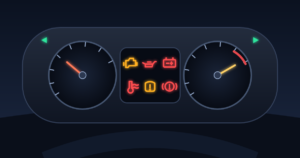
Most vehicles use a color system similar to a traffic light. Knowing it gives you a quick read on urgency before you even identify the symbol.
- Red means a serious problem or a safety issue. Stop driving as soon as it is safe to do so.
- Yellow or amber means something needs attention soon. You can usually keep driving, but should not ignore it.
- Green or blue means a system is on and working, such as headlights or cruise control.
Always check your owner’s manual for the exact symbols in your vehicle, since designs vary slightly between manufacturers.
Red Lights That Need Action Now
Red warnings mean the car is telling you to stop. Continuing to drive can cause serious damage or put you at risk.
The oil pressure light looks like an old fashioned oil can. It means the engine is not getting enough oil pressure, which can destroy an engine in a short time. Pull over, shut the engine off, and check the oil level. Do not drive the car until the problem is found.
The engine temperature light, often a thermometer sitting in wavy lines, signals overheating. In the Las Vegas summer this is one of the most common causes of roadside trouble. Turn off the AC, pull over safely, and let the engine cool before checking the coolant. Never open a hot radiator cap.
The brake system light, usually an exclamation point inside a circle, can mean the parking brake is still on, the brake fluid is low, or there is a problem in the hydraulic system. If it stays on after releasing the parking brake, have the brakes inspected before driving further.
The battery or charging system light, shaped like a small battery, means the alternator or charging system is not working properly. The car is running on stored battery power and may stall soon. Head to a safe place right away.
The Check Engine Light
The check engine light is the most misunderstood symbol on the dashboard. It looks like an engine outline and turns on when the car’s computer detects a problem with the engine, emissions, or related systems. The cause can be as small as a loose gas cap or as serious as a failing catalytic converter.
A steady light means there is a fault that should be checked soon. A flashing light means an active misfire that can damage the catalytic converter, so reduce your speed and get the car looked at quickly. Reading the stored trouble code is the only way to know what the light really means. We explain what happens when drivers delay in our article on the real cost of ignoring a check engine light in Las Vegas.
Yellow Lights That Should Not Wait
Amber warnings are less urgent than red ones, but they are not suggestions. Treat them as a reminder to schedule service soon.
The tire pressure monitoring light looks like a flat tire with an exclamation point. It usually means one or more tires are underinflated. In Las Vegas heat, underinflated tires run hotter and are more likely to fail at highway speed. Check the pressure with a gauge when the tires are cold. Note that big temperature swings can trigger this light as well.
The ABS light means the anti lock braking system has a fault. Your regular brakes should still work, but the extra protection that prevents wheel lockup in a hard stop may not. Have it checked soon.
The traction control or stability light, often a car with squiggly lines behind it, flashes briefly when the system is working, such as on slippery pavement. If it stays on, there may be a sensor or system problem.
The low fuel light speaks for itself, but do not push it. Running a tank very low can overheat and damage the fuel pump, which depends on fuel to stay cool.
Other Lights You May See
Many vehicles include additional warnings. The airbag light, often a seated figure with a circle, means the airbag system may not deploy in a crash and should be inspected promptly. The power steering light means steering assistance may be reduced or lost. A transmission temperature light means the transmission is overheating and you should reduce load and let it cool. Lights for low washer fluid, door ajar, or a maintenance reminder are generally informational.
Why Heat Makes Warning Lights Worse in Las Vegas
Desert heat stresses batteries, cooling systems, tires, and electronics all at once, which means warning lights tend to show up more often in summer. A battery already weakened by the heat may trigger charging lights. Coolant that runs low can trigger temperature warnings. Tire pressure changes with the temperature and may bring on the tire light. Paying attention to these lights early helps prevent a small issue from turning into a major breakdown in 110 degree weather.
What to Do When a Light Comes On
Stay calm and follow a simple routine. First, note the color and symbol. If it is red, find a safe place to pull over and shut off the engine. If it is amber, make a note of when it appeared and any changes in how the car drives. Check the obvious things, such as the gas cap, fluid levels, and tire pressure. Then arrange an inspection.
Resetting a light or disconnecting the battery to make it go away is a poor idea. The underlying problem is still there, and the stored information that would have helped diagnose it may be lost. If the car will not start at all, our guide on the top 10 reasons your car won’t start and how to get back on the road can help you narrow down the cause.
Why Mobile Diagnostics Make Sense
Many dashboard warnings can be diagnosed with a scan tool that reads the trouble codes stored in the car’s computer. A mobile mechanic brings that equipment to your home, office, or the spot where your car is parked, reads the codes, inspects the related parts, and in many cases fixes the problem on site. That saves you from driving a warning light across town and from sitting in a hot waiting room.
Do Not Ignore the Message
Dashboard lights are your car’s way of speaking up before something fails. Red means stop, amber means schedule service soon, and a flashing light of any color deserves quick attention.
To learn more about our services, visit our homepage. If a light has come on in your car, reach out through our contact us page and we will come to you anywhere in the Las Vegas area to diagnose it.
Taking a warning light seriously today is usually far cheaper than the repair that follows when it is ignored.